Texas Storms: Over 1 Million Lose Power Amidst Brutal Heat
Texas has once again found itself under siege by a relentless barrage of severe weather, plunging over a million homes and businesses into darkness. This latest wave of brutal storms, characterized by destructive winds, torrential rains, and hail the size of baseballs, has not only crippled infrastructure but also claimed lives and left a wide swath of the state reeling. Compounding the misery, an oppressive, early-season heat wave has settled over the affected regions, turning power outages from an inconvenience into a serious health threat. The recovery effort is expected to be extensive, with many residents facing a multi-day ordeal without electricity.
The impact of these powerful storms has been particularly acute in North Texas, including major metropolitan areas like Dallas and Fort Worth. However, the devastation extends further, touching rural East Texas and various communities across Collin County, such as Plano. This isn't an isolated incident, but rather part of a grim pattern of severe weather that has battered the nation's midsection throughout May, causing widespread damage and fatalities in multiple states. The immediate aftermath finds Texans grappling with not just the physical destruction but also the immense challenge of maintaining safety and well-being in the scorching heat.
The Fury Unleashed: A Trail of Destruction Across the Lone Star State
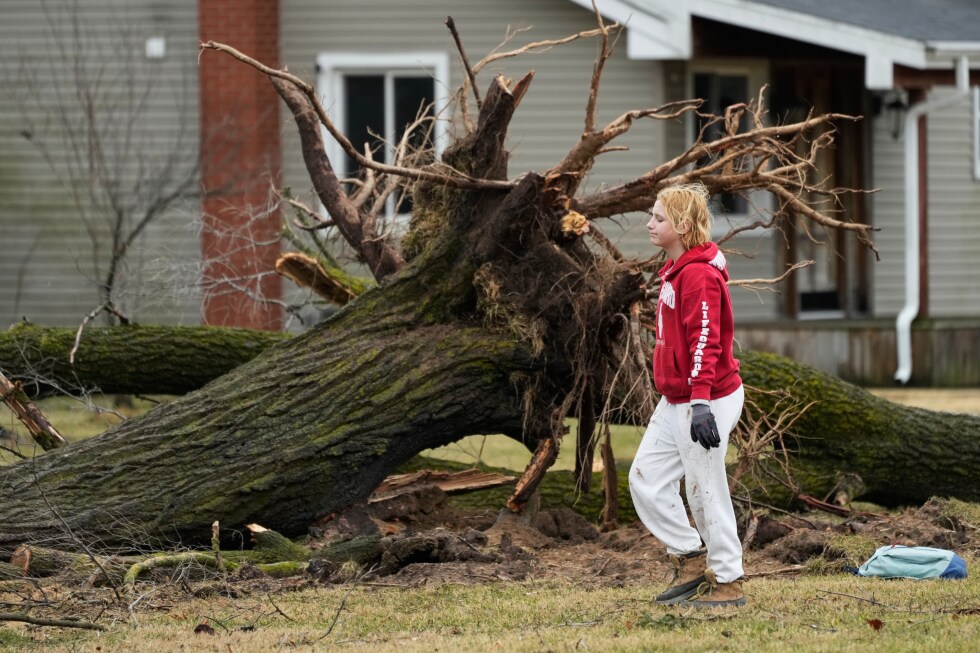
The latest series of catastrophic storms began their assault, bringing with them a terrifying display of nature's power. Reports from across the state described scenes of chaos: trees uprooted, power lines snapped, and structural damage to homes and businesses. Winds reaching speeds comparable to a Category 1 hurricane, reportedly as high as 70 mph in some areas, were a major factor in the widespread devastation. In Dallas County alone, more than 300,000 customers were left without power, according to PowerOutage.us, signaling the sheer scale of the infrastructure damage.
The severity of the weather wasn't limited to winds. Communities reported significant hail damage, with some hailstones reaching the size of baseballs, shattering windows and denting vehicles. This onslaught followed closely on the heels of other intense weather events. Just weeks prior, hurricane-force winds knocked out power to more than 800,000 homes and businesses in Houston, setting a precedent for the rapid succession of severe weather Texas has endured. The cumulative effect of these repeated storms leaving Texas communities battered is immense, stretching resources and resilience to their limits.
Specific areas bore the brunt of the storm's fury. In Collin County, for instance, a school, a church, and even an airplane hangar sustained significant damage, highlighting the indiscriminate nature of the destructive forces at play. For residents, the suddenness and intensity of the storms often left little time to prepare, turning everyday life into a struggle for survival and recovery.
Beyond the Darkness: The Human Cost Amidst Scorching Temperatures
While the physical damage to infrastructure is staggering, the human cost of these storms leaving Texas in such disarray is even more profound. The immediate and most pressing concern for over a million Texans without power is the scorching heat. An early-season heat wave has driven temperatures into uncomfortable and, for vulnerable populations, dangerous levels. Without air conditioning, homes quickly become ovens, posing significant risks of heatstroke and dehydration, especially for the elderly, young children, and those with pre-existing health conditions.
Dallas County Judge Clay Jenkins underscored the severity of the situation by declaring a disaster area, noting that many nursing homes were forced to rely on generators to protect their residents. His stark assessment—"This ultimately will be a multi-day power outage situation"—set a grim expectation for residents hoping for a quick return to normalcy. The disruption extended even to civic duties, with roughly 100 voting sites in Dallas County knocked offline during runoff elections, forcing improvisation and highlighting the pervasive reach of the outages.
Tragically, these recent storms have also claimed lives. In Cooke County, Texas, a devastating tornado tore through a mobile home park on a recent Saturday, resulting in seven fatalities. This grim statistic is part of a larger, more widespread calamity that has affected multiple states. Across Arkansas, eight deaths were reported due to the severe weather. Oklahoma saw two fatalities in Mayes County, where even guests at an outdoor wedding were among the injured. Further afield, a Missouri man died after a tree limb fell onto his tent while camping, and Kentucky Governor Andy Beshear confirmed five deaths in his state. The broader context of these fatalities paints a sobering picture of the widespread impact. For a more detailed look at the regional impact, read about the Deadly Storms Ravage Texas, Claiming Lives Across Seven States.
The month of May has indeed been a grim period for the nation's midsection, with tornadoes and severe weather leaving a trail of death and destruction, reminding everyone of the raw power of nature and the need for robust emergency preparedness.
Navigating the Aftermath and Preparing for the Future
For those impacted by these severe storms leaving Texas communities in disarray, the immediate aftermath is a test of endurance and resourcefulness. Utility crews are working around the clock to restore power, but the scale of the damage—snapped poles, tangled lines, and inaccessible areas—means that repairs will take days, if not longer. The added challenge of extreme heat further complicates these efforts, putting workers at risk while they strive to bring relief to residents.
As communities begin the long process of cleanup and recovery, preparedness becomes a paramount concern for all Texans. The frequency and intensity of these weather events underscore the importance of having a robust emergency plan in place. Here are some practical tips to help residents navigate future storms and extended power outages:
- Build a Comprehensive Emergency Kit: Stock at least three days' worth of non-perishable food and water (one gallon per person per day). Include a battery-powered or hand-crank radio, flashlights, extra batteries, a first-aid kit, a whistle to signal for help, dust masks, moist towelettes, garbage bags, and local maps.
- Stay Hydrated and Cool: During heat waves, drink plenty of fluids, even if you don't feel thirsty. Seek out cooling centers if available, or spend time in air-conditioned public spaces like malls or libraries. Take cool showers or baths.
- Generator Safety: If you use a generator, always operate it outdoors in a well-ventilated area, away from windows and doors, to prevent carbon monoxide poisoning. Never plug a generator directly into your home's main electrical panel without a proper transfer switch.
- Communication Plan: Establish a family communication plan. Identify an out-of-state contact person for family members to check in with, as local phone lines may be overwhelmed. Keep cell phones charged and have portable power banks ready.
- Protect Valuables: Back up important documents digitally and store them securely. Keep irreplaceable items in waterproof containers.
- Community Check-in: Look out for your neighbors, especially the elderly and those with medical conditions, who may be more vulnerable during extended outages and extreme heat.
- Stay Informed: Monitor local news and weather alerts via battery-powered radio or car radio. Follow official city and county social media channels for updates.
The events of this month serve as a stark reminder that severe weather is an ever-present threat. Investing in resilient infrastructure, promoting community preparedness, and fostering a culture of mutual aid are crucial steps in mitigating the impact of future storms.
A Broader Perspective: A Month of Unrelenting Storms
The devastation in Texas is not an isolated incident but rather part of a larger narrative of extreme weather that has swept across the central and eastern United States throughout May. The Memorial Day holiday weekend alone saw severe weather, including numerous tornadoes, claim at least 25 lives across multiple states. This month has been characterized by an unusually high number of intense storm systems, creating a grim tally of damage and casualties.
Beyond Texas, other states have also faced significant challenges. Tornadoes in Iowa the previous week resulted in at least five deaths and dozens of injuries. Kentucky battled weekend storms that left roughly 160,000 homes and businesses without electricity. Arkansas, West Virginia, and Missouri also reported widespread outages and damage. Even states like Pennsylvania experienced the fury, with a possible tornado damaging a high school and homes in Mahanoy City. This pattern suggests a broader atmospheric volatility, prompting experts to examine the contributing factors to such an active and destructive storm season.
Conclusion
The recent storms leaving Texas with over a million without power amidst brutal heat represent a severe test of resilience for the state's residents and infrastructure. From devastating winds and hail to tragic fatalities and widespread power outages, the impact has been profound. While the immediate focus remains on recovery and restoring power, these events underscore the critical importance of preparedness, community vigilance, and robust infrastructure development. As Texans continue to navigate the aftermath and rebuild, the lessons learned from this challenging period will undoubtedly shape future strategies for confronting the unpredictable and powerful forces of nature. The spirit of the Lone Star State, however, remains unbowed, with communities rallying to support one another through this difficult time.