North Texas Plunges into Darkness: A Multi-Day Ordeal After Devastating Storms
North Texas is once again grappling with the severe aftermath of powerful storms, as widespread power outages have plunged hundreds of thousands of homes and businesses into darkness. This isn't just a brief inconvenience; residents, particularly in Dallas, Fort Worth, and surrounding areas, are facing a multi-day ordeal compounded by an early-season heat wave. The sheer force with which these storms leave Texas reeling underscores the vulnerability of even robust urban centers to extreme weather.
The recent severe weather, characterized by damaging winds, baseball-sized hail, and even tornadoes, swept across the state, leaving a trail of destruction that extended beyond Texas borders, claiming lives in multiple states. For North Texans, the immediate challenge is surviving without electricity as temperatures climb, turning homes into oppressive ovens. This article delves into the scope of the devastation, its broader societal impacts, and essential tips for navigating the challenging recovery ahead.
The Devastation Unfolds: A Region in Darkness
The latest round of severe weather began to hammer Texas on Tuesday, following a destructive Memorial Day holiday weekend that saw deadly tornadoes and storms tear through several states. In North Texas, the impact was immediate and profound. More than a million homes and businesses across the state initially lost power, with a significant concentration in the Dallas-Fort Worth metroplex.
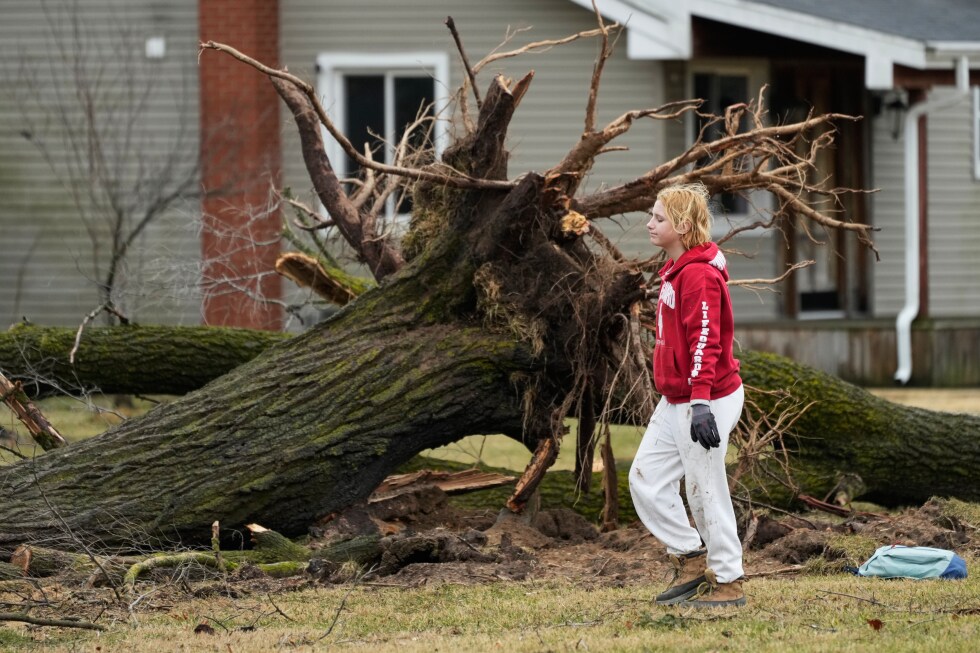
Dallas County alone reported over 300,000 customers without electricity, a figure that highlights the concentrated damage within urban and suburban areas. The storms didn't discriminate, affecting not only major cities but also extending into rural East Texas and smaller communities like Plano in Collin County, where schools, churches, and even airplane hangers sustained damage. The culprit was a combination of incredibly strong winds, in some areas gusting up to 70 mph, and large hail, which shredded power lines, snapped utility poles, and uprooted trees. Dallas County Judge Clay Jenkins quickly declared a disaster area, warning residents that this would be a "multi-day power outage situation," a prediction that has unfortunately proven accurate.
The timing of these outages could not have been worse. An early-season heat wave has settled over the region, with temperatures soaring into the 90s, making life without air conditioning not just uncomfortable but potentially dangerous. For many, the simple act of keeping cool or preserving food has become a monumental challenge, adding an urgent layer of misery to an already dire situation.
Beyond Power Lines: Broader Societal Impacts
The absence of electricity ripples through every aspect of daily life, creating a cascade of challenges for affected communities. While the immediate concern is often comfort and safety, the broader societal impacts of such extensive, multi-day outages are significant:
- Critical Infrastructure Strain: Hospitals, emergency services, and other essential facilities often rely on generators, but even these systems can be overwhelmed or face fuel supply issues during prolonged events.
- Vulnerable Populations at Risk: Nursing homes and facilities caring for the elderly or those with medical conditions become critical points of concern. While many have generators, their sustained operation requires careful management and support. Similarly, families with infants or young children face heightened risks from heat and lack of sanitation.
- Disruption to Democratic Processes: The storms struck during runoff elections, with roughly 100 voting sites in Dallas County knocked offline. This forced last-minute relocations and logistical nightmares, potentially disenfranchising voters and highlighting the fragility of civic operations in the face of natural disaster.
- Economic Fallout: Businesses, especially small and medium-sized enterprises, suffer significant losses due to spoiled inventory, forced closures, and inability to conduct transactions. The cumulative economic impact on the region can be substantial, hindering recovery efforts.
- Communication Challenges: Cell towers can lose power, impacting mobile phone service and making it difficult for residents to connect with loved ones, access information, or call for help.
These widespread disruptions underscore how deeply modern life is intertwined with a reliable power grid. When deadly storms ravage Texas, the consequences extend far beyond just fallen trees and dark homes.
A Grim Tally: Fatalities and Widespread Destruction
The severe weather over the Memorial Day weekend and into the following week was not limited to power outages; it tragically claimed multiple lives across a vast swathe of the country. Texas was among the hardest hit, but the storms left a grim tally across seven states, including Oklahoma, Arkansas, Missouri, Kentucky, North Carolina, and Virginia.
In Texas, the human cost was particularly heavy in Cooke County, where a tornado tore through a mobile home park, resulting in seven fatalities. Across the border, Arkansas reported eight deaths from the severe weather, while Oklahoma saw two lives lost in Mayes County, east of Tulsa, where guests at an outdoor wedding were among the injured. A camper in Missouri died when a tree limb fell on his tent, and Kentucky Governor Andy Beshear confirmed five fatalities in his state. Even as far afield as Pennsylvania, a possible tornado damaged a high school and homes, though thankfully without reported injuries.
This widespread devastation serves as a stark reminder of the immense power of nature and the need for constant vigilance and preparedness. The cumulative impact of this grim month of tornadoes and severe weather across the nation's midsection, including earlier deadly storms in Iowa, paints a sobering picture of increasing weather intensity.
Navigating the Aftermath: Tips for Resilience and Recovery
As North Texans endure the ongoing power outages and begin the long road to recovery, preparedness and community support are paramount. Here are practical tips to help individuals and families navigate the aftermath of such devastating events:
- Prioritize Safety First: Always assume downed power lines are live and dangerous. Report them immediately to authorities and keep a safe distance. Avoid driving through flooded areas.
- Generator Safety: If using a generator, operate it outdoors in a well-ventilated area, far from windows and doors, to prevent carbon monoxide poisoning. Never run it indoors or in a garage.
- Food Safety: Keep refrigerator and freezer doors closed as much as possible. A full freezer can keep food safe for about 48 hours; a half-full freezer for 24 hours. A refrigerator will keep food cold for about 4 hours. When in doubt, throw it out.
- Stay Cool and Hydrated: Without AC, find ways to stay cool. Take cool showers, wear light clothing, and drink plenty of water. If possible, seek refuge in designated cooling centers or public buildings with power.
- Check on Neighbors: Especially check on the elderly, those with medical conditions, and families with young children who may be more vulnerable to heat and lack of resources.
- Charge Devices: Use car chargers or power banks to keep essential communication devices operational. Conserve battery life by minimizing usage.
- Emergency Kit Essentials: Maintain an up-to-date emergency kit with non-perishable food, bottled water, a battery-powered radio, flashlights, extra batteries, a first-aid kit, and any necessary medications.
- Report Outages: Report your outage to your utility provider (e.g., Oncor) and stay updated through their official channels or local news.
- Protect Your Property: Document damage with photos or videos for insurance claims. Secure any broken windows or damaged structures to prevent further issues.
Preparing for Future Events: Building Resilience
These recurring extreme weather events highlight the critical need for long-term preparedness. Trimming trees near power lines, securing loose outdoor items before a storm hits, and having a family emergency plan are proactive steps everyone can take. Furthermore, advocating for infrastructure improvements, such as hardening the electrical grid, is essential for greater community resilience when storms leave Texas vulnerable.
Looking Ahead: Preparedness and Climate Resilience
The multi-day power outages in North Texas serve as a stark reminder of the escalating challenge posed by increasingly severe and frequent weather events. While immediate recovery efforts focus on restoring power and aiding affected residents, there is an overarching need to consider long-term strategies for climate resilience. As deadly storms ravage Texas and beyond, investments in robust infrastructure, early warning systems, and community education become not just desirable, but imperative.
The resilience of Texans is evident in the face of these adversities, but individual fortitude must be supported by systemic preparedness. From local authorities establishing comprehensive disaster plans to utility companies exploring grid modernization, a multi-faceted approach is required. As the climate continues to evolve, so too must our strategies for protecting communities from the devastating impact of Mother Nature.
The path to full recovery in North Texas will be arduous, but with sustained effort, community solidarity, and enhanced preparedness, residents can hope to emerge stronger and more resilient against future weather challenges.