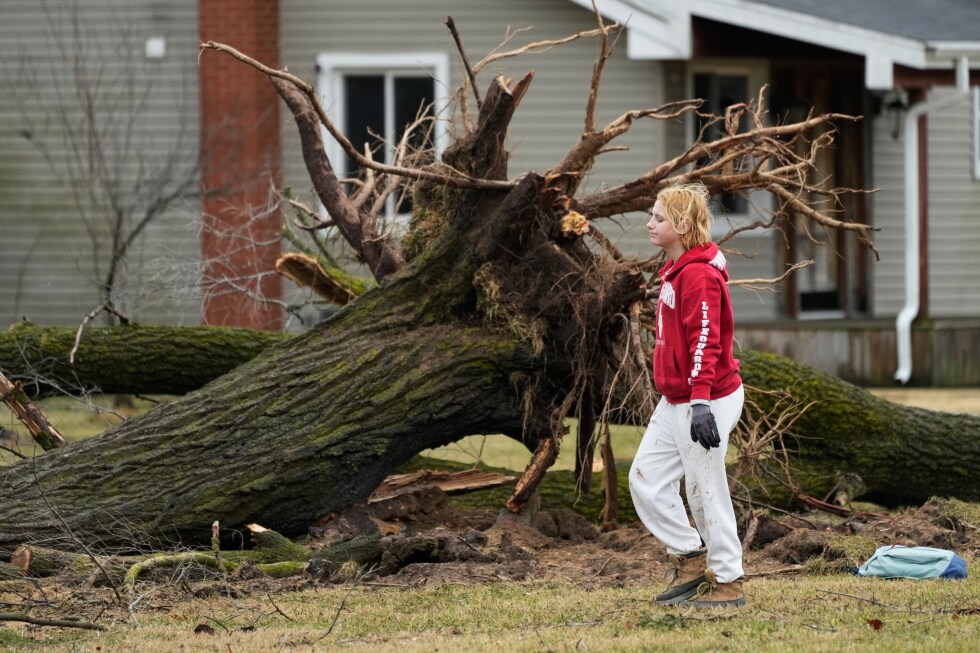
Texas has recently endured a relentless barrage of devastating storms that left over 1 million residents without power, transforming communities into scenes of widespread destruction. These severe weather events, characterized by damaging winds, hail, and deadly tornadoes, extended their reach far beyond the Lone Star State, claiming lives across seven different states and underscoring the formidable power of nature. While the initial fury of the weather might subside, the aftermath of these catastrophic storms leave Texas grappling with long-term recovery efforts, compounded by an oppressive early-season heat wave that adds to the misery of those affected.
Texas Bears the Brunt: Power Outages and Devastation
The impact of the recent storm system on Texas has been nothing short of catastrophic. On Tuesday, a fierce combination of damaging winds and baseball-sized hail pummeled the state, resulting in more than 1 million homes and businesses losing electricity. This widespread power failure particularly gripped North Texas, encompassing major metropolitan areas like Dallas and Fort Worth, which saw extensive outages. The sheer scale of the disruption meant that over 300,000 customers in Dallas County alone were without power, a situation that tragically extended into rural East Texas, according to PowerOutage.us.
The timing of these outages could not have been worse. An oppressive, early-season heat wave descended upon the region, turning what would already be an inconvenience into a genuine health hazard. With temperatures soaring, the lack of air conditioning became a critical concern, especially for vulnerable populations in nursing homes, many of which were forced to rely on generators. Dallas County Judge Clay Jenkins didn't mince words, declaring the area a disaster and warning that "This ultimately will be a multi-day power outage situation," a prognosis that highlights the immense challenge of restoring normalcy.
Beyond residential and commercial impact, essential democratic processes were also affected. Polling places for the state's runoff elections found themselves without power, with roughly 100 voting sites in Dallas County knocked offline, posing significant logistical challenges for voters and election officials alike. As if the present weren't grim enough, forecasts predicted more rough weather and heavy rains for the Dallas area, with heavy thunderstorms also plowing toward Houston. Officials in Houston issued warnings about winds as strong as 70 mph, a stark reminder of the hurricane-force winds that had already knocked out power to over 800,000 homes and businesses there less than two weeks prior. The continuous onslaught of these storms leave Texas facing an uphill battle against Mother Nature.
A Grim Toll: Fatalities Across Seven States
The destructive power of the storms that hit over the Memorial Day holiday weekend transcended state lines, leaving a trail of devastation and a tragic loss of life across multiple states. The grim tally of fatalities included victims in Texas, Oklahoma, Arkansas, Missouri, Kentucky, North Carolina, and Virginia, making it one of the deadliest severe weather outbreaks in recent memory.
Texas bore a significant share of this sorrow, with seven people killed in Cooke County alone. These fatalities occurred when a tornado tore through a mobile home park on Saturday, demonstrating the immense danger posed by these violent atmospheric phenomena. Arkansas reported an even higher toll, with eight deaths attributed to the weekend storms.
The human cost was felt acutely in other states as well:
- Oklahoma: Two people died in Mayes County, east of Tulsa. Among the injured were guests attending an outdoor wedding, highlighting how quickly severe weather can turn celebratory occasions into tragedies.
- Missouri: A man lost his life on Sunday after a tree limb fell onto his tent while he was camping, a somber reminder of the risks associated with outdoor activities during storm season.
- Kentucky: Governor Andy Beshear confirmed five fatalities in his state, emphasizing the widespread and lethal nature of the weather system.
Even states outside the direct path of the most severe tornadoes experienced significant impacts. While no injuries were reported, a possible tornado damaged a high school and several homes in Mahanoy City, Pennsylvania, on Monday night, leading to school cancellations. Meanwhile, in the Midwest, an unusual weather phenomenon known as a "gustnado"—a small, tornado-like whirl of dust and debris—brought dramatic moments to a western Michigan lake, illustrating the diverse and unpredictable nature of severe weather.
The weekend's events added to what has been a truly grim month for the nation's midsection, which has experienced an unprecedented surge in tornadoes and severe weather. Just the week prior, tornadoes in Iowa resulted in at least five deaths and dozens of injuries. The recurring nature of these intense weather events underscores the urgent need for enhanced preparedness and resilience in communities frequently impacted.
Beyond the Immediate Impact: Long-Term Challenges and Recovery
While the immediate focus remains on rescue efforts and power restoration, the aftermath of these storms leave Texas and its neighboring states facing profound long-term challenges. The extensive damage to infrastructure, including schools, churches, and even an airplane hanger in Collin County's Plano, will require significant resources and time to rebuild. The economic disruption, particularly for businesses forced to close due to power outages or structural damage, will undoubtedly have ripple effects throughout local economies. For many residents, the multi-day power outage situation means not just discomfort but also potential financial losses due to spoiled food, missed work, and unexpected repair costs.
Preparing for the Next Storm: Essential Tips for Texas Residents
Given the increasing frequency and intensity of severe weather, preparedness is paramount. Residents in Texas and other vulnerable areas can take proactive steps to mitigate risks and ensure safety:
- Build an Emergency Kit: Stock at least three days' worth of non-perishable food, water (one gallon per person per day), a first-aid kit, flashlights, extra batteries, a hand-crank or battery-powered radio, and a power bank for mobile devices.
- Develop a Communication Plan: Establish a family meeting point and an out-of-state contact person for everyone to check in with. Ensure all family members know how to contact each other.
- Generator Safety: If using a generator, always operate it outdoors in a well-ventilated area, far from windows and doors, to prevent carbon monoxide poisoning.
- Stay Informed: Monitor local weather alerts, emergency broadcasts, and official channels from local authorities. Have multiple ways to receive warnings, such as NOAA weather radios or smartphone apps.
- Secure Your Property: Before a storm hits, secure loose outdoor items, trim dead or weak tree branches, and consider reinforcing vulnerable structures.
- Heat Wave Precautions: During power outages coinciding with high temperatures, stay hydrated, seek out cooling centers if available, and avoid strenuous activities. Check on elderly neighbors and those with medical conditions.
Understanding Severe Weather in the Midsection of the Nation
The recent series of storms in Texas and the surrounding states is not an isolated incident but rather part of a broader pattern of severe weather that has impacted the nation's midsection throughout the month. This region, often referred to as "Tornado Alley" or "Dixie Alley," is particularly susceptible to violent weather due to the unique convergence of warm, moist air from the Gulf of Mexico and cool, dry air from the Rockies and Canada. This atmospheric clash creates the ideal conditions for supercell thunderstorms, which can spawn deadly tornadoes, large hail, and destructive winds.
The increasing frequency of these events underscores the critical importance of robust early warning systems, advanced meteorological forecasting, and community education programs. While we cannot control the weather, understanding the underlying science and preparing adequately can significantly reduce the loss of life and property when such powerful storms leave Texas and its neighbors reeling.
The recent onslaught of deadly storms across Texas and surrounding states serves as a stark reminder of nature's formidable power and the critical importance of preparedness. From widespread power outages affecting over a million Texans to tragic fatalities spanning seven states, the human and infrastructural toll has been immense. As communities embark on the long road to recovery, the experiences from these devastating events reinforce the need for robust emergency planning, resilient infrastructure, and a collective commitment to protecting lives and livelihoods against future climatic challenges. The scars left by these storms are a testament to their ferocity, but also a call to action for greater vigilance and preparedness in the face of an ever-changing climate.